
Offer
Documentation
and reports
Geotechnics and engineering geology
Offer
Documentation
and studies
Geotechnics and engineering geology
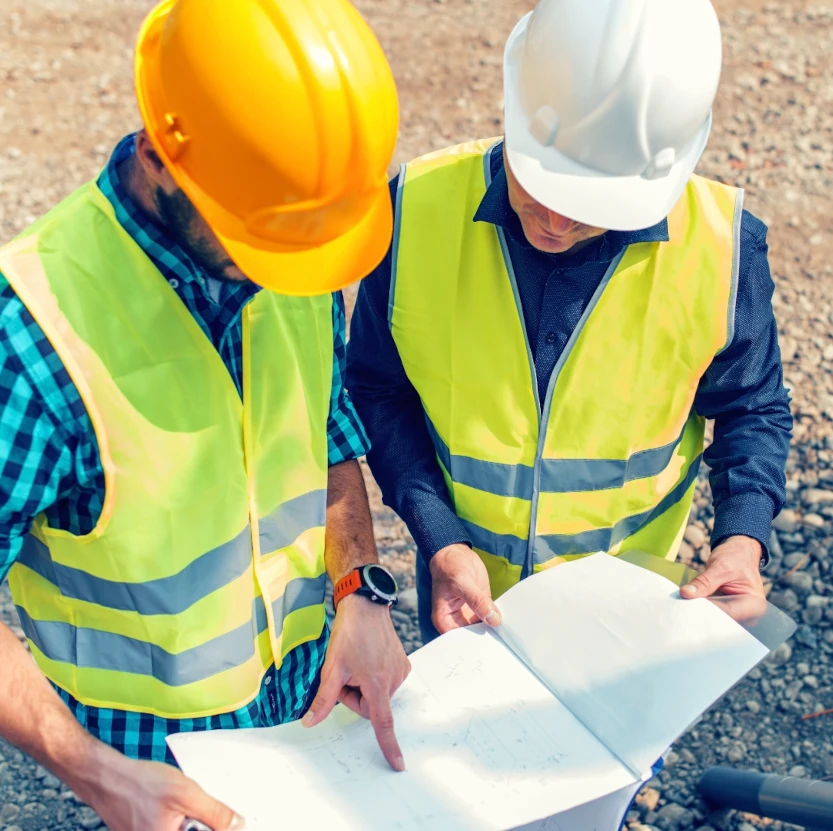
Geotechnical report
The basic format for presenting research results
Although geotechnical opinions are the most basic form of documentation, we prepare them with due precision and based on actual ground and groundwater conditions identified in the field. Each report is developed with practical application in the design process in mind, providing a reliable basis for further technical decisions. This service is intended for investors and designers who expect substantive, timely, and professional support at the project preparation stage.
For what types of structures do we provide services?
- 1- or 2-story residential and utility buildings
- retaining walls and excavation shoring, provided that the difference in elevation does not exceed 2.0 m
- excavations to a depth of 1.2 m and construction embankments up to a height of 3.0 m, carried out in particular during road construction, drainage work, and pipeline installation
Subsoil investigation documentation and a geotechnical design – when are they required?
- the structure is classified as Category II in terms of geotechnical conditions under simple soil conditions
- excavations deeper than 1.2 m below ground level are planned.
- construction embankments higher than 3.0 m are planned
- the project involves more complex structures, such as high retaining walls, embankments, bridge abutments and piers, and quays, as well as ground anchors and other anchoring systems
In practice, subsoil investigation documentation and a geotechnical design are required for larger and more complex projects, even in simple ground conditions. However, it should be noted that even a three-storey single-family house is typically classified under Geotechnical Category II, and therefore such documentation is required for this type of building.
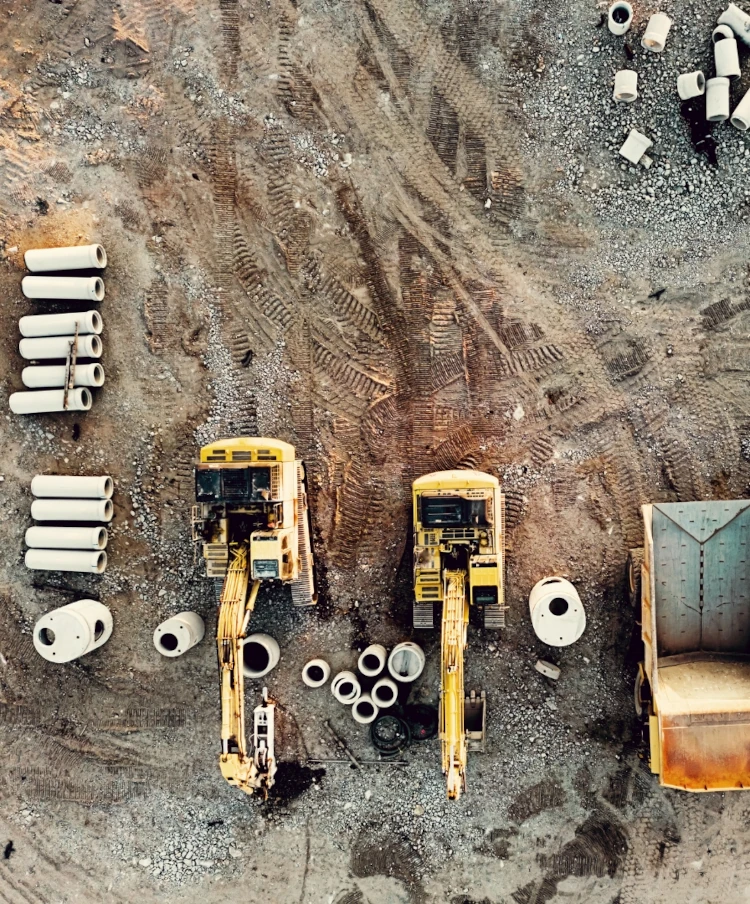
Geological and engineering documentation
PURA SOLUM prepares geological and engineering documentation for projects requiring a more detailed analysis of subsoil conditions. The documentation is developed as a substantive basis for designers, investors, and formal procedures, in accordance with applicable regulations.
When is such documentation required?
- for structures classified in geotechnical categories I and II in complex soil conditions
- for structures classified in geotechnical category III
- in areas with weak soils, such as soft-plastic mineral soils, organic soils, or uncontrolled embankments
- when the groundwater table is at or above the level of the proposed foundation
- in complex soil conditions: landslides, mining damage, karst phenomena, and soil subsidence
Check the ground, avoid risks
Why is it important to conduct a soil survey before construction?
Soil investigations make it possible to identify the actual ground conditions before construction begins, which is crucial for the safety of the entire project. Drilling and in-situ testing enable the detection of weak bearing soils, uncontrolled fills, high groundwater levels, as well as the risk of landslides, subsidence, and excessive settlement. Based on proper investigations, the appropriate foundation method can be selected, helping to avoid costly remedial works in the future. A reliable ground assessment minimizes the risk of structural damage, increases the durability of the structure, and allows designers to make informed technical decisions.
Building settlement
differential settlement of foundations can cause cracking in walls and structural elements.
Weak-bearing soils
e.g., peat, organic silts, or uncontrolled fill, which are unable to carry structural loads.
High groundwater level
it can cause issues during construction as well as during the building’s use.
Sinkholes and voids in the ground
especially in karst regions or post-mining areas.
Landslides and unstable slopes
they can lead to ground movement, as well as structural damage and failure.
The heterogeneous structure of the subsurface
different soil layers can cause the foundation to settle unevenly.
expert assessments per year
geotechnical, geological, and hydrogeological studies for projects of varying scale
completed projects
comprehensive subsoil analyses and ground condition assessments for numerous construction projects
years of experience
extensive field and design experience translates into reliability and sound engineering judgments
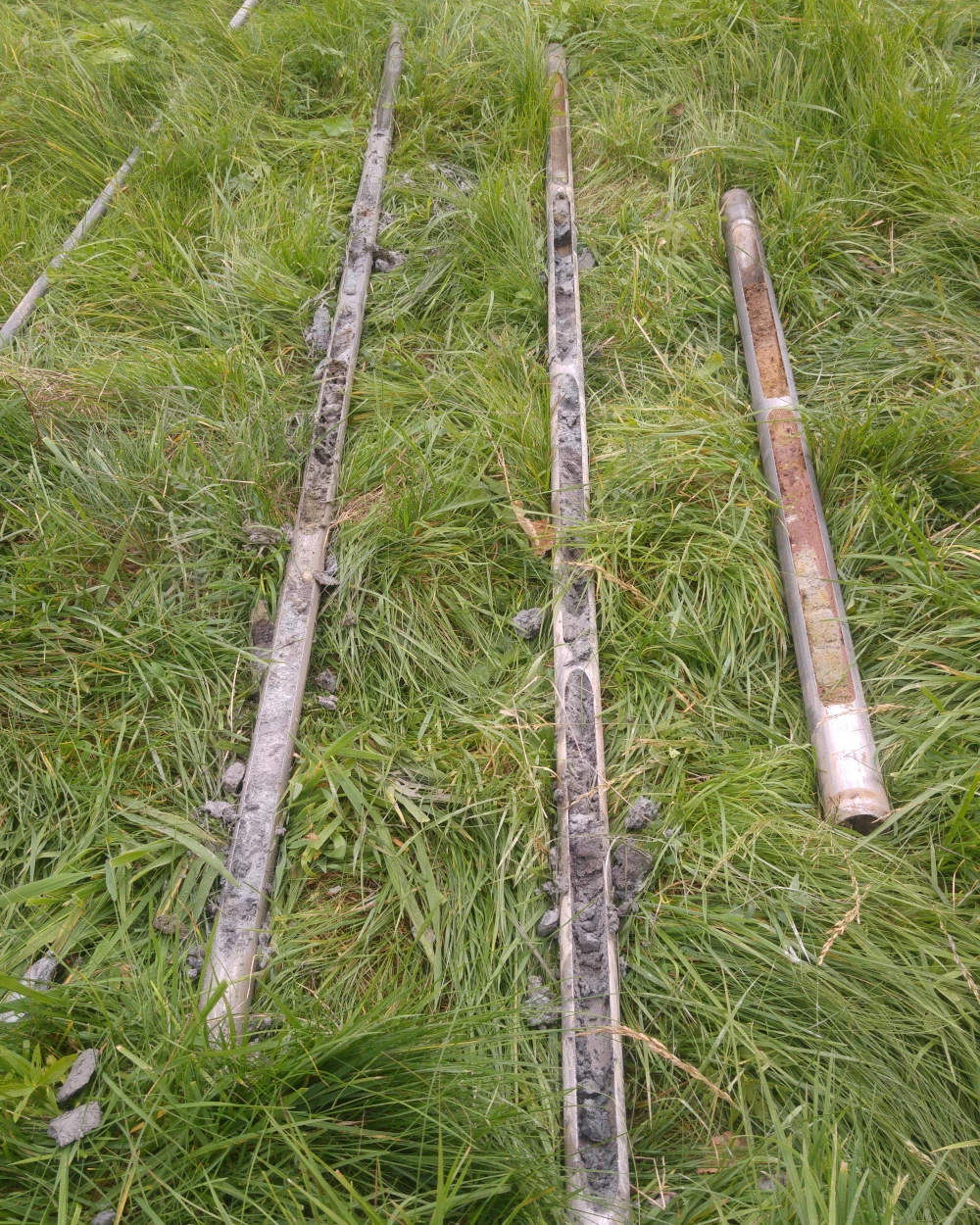
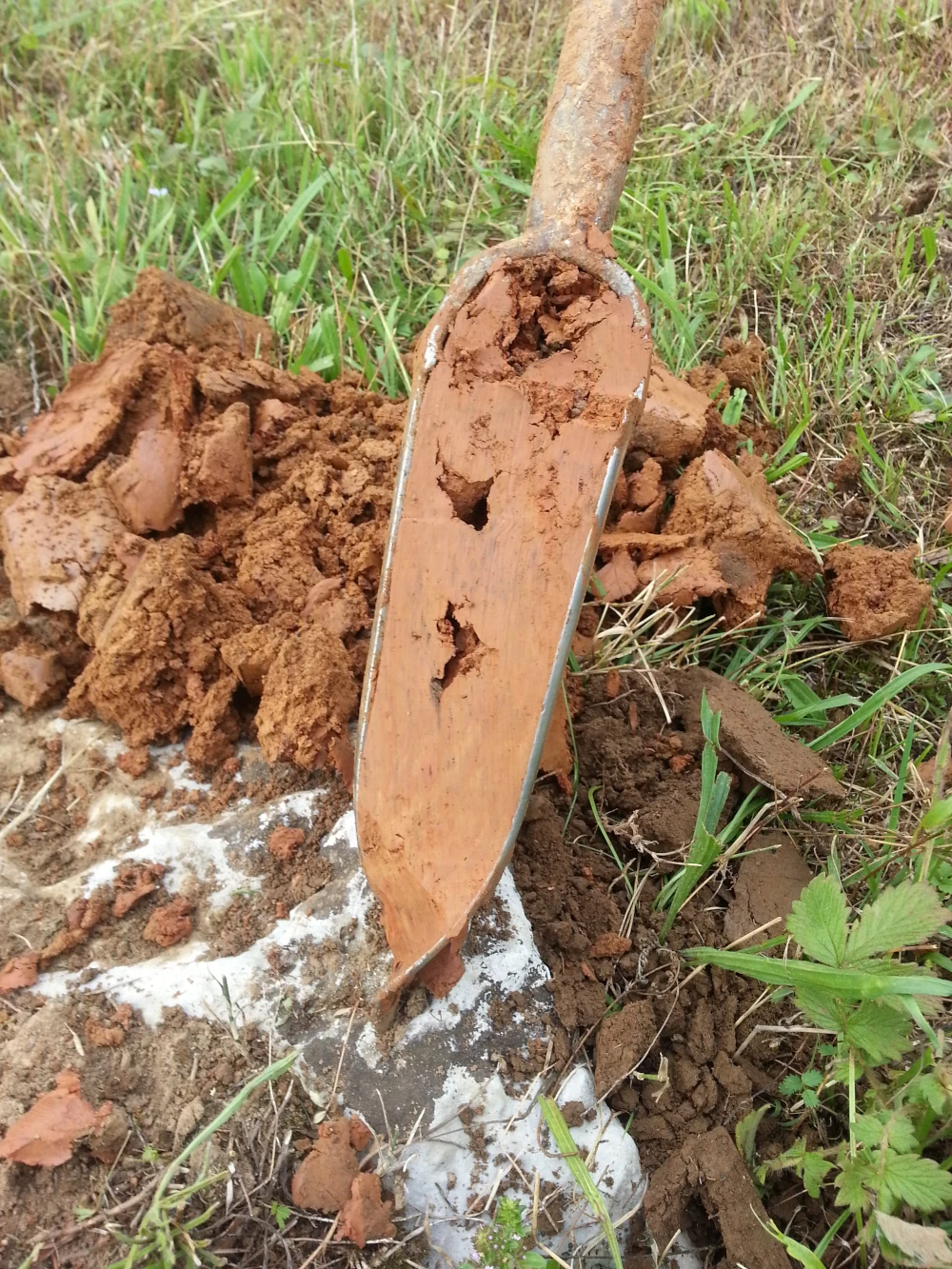
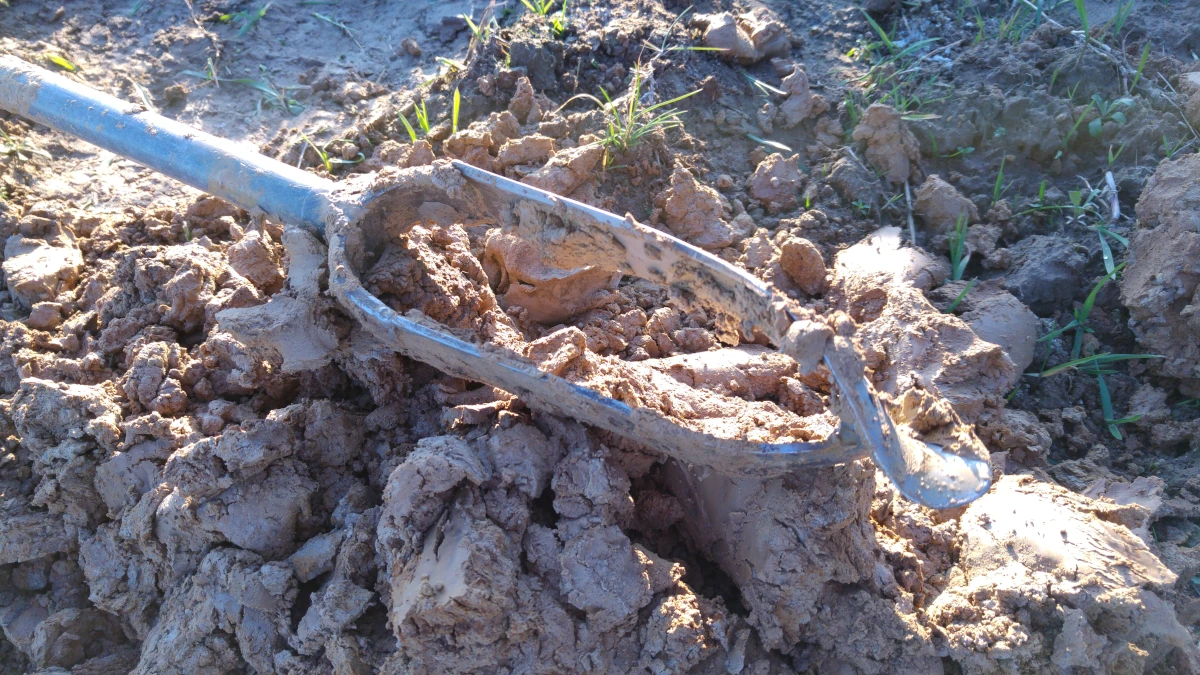
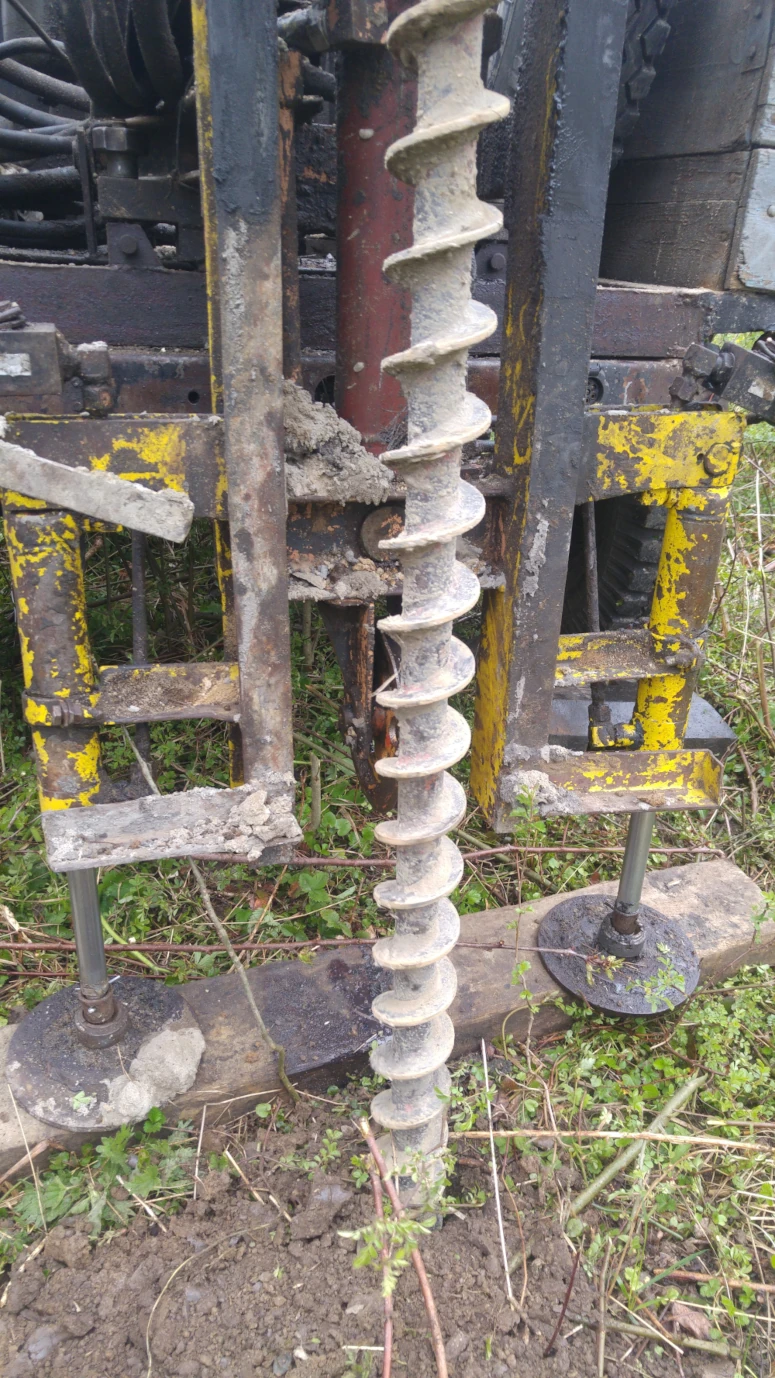
Transparency of the research and documentation process
- reliable field research
- precise processing of research results
- transparent engineering applications
- a complete set of studies required by law
Frequently asked questions
Are soil investigations mandatory before building a house?
Yes, they are required by law. Even if they do not always stem directly from the investor’s expectations, they constitute a reasonable and safe standard that helps avoid unpleasant surprises related to ground and groundwater conditions.
When is the best time to carry out geotechnical investigations?
They are best carried out at the planning stage of the project, before design work and construction begin. The earlier ground conditions are identified, the lower the risk of costly changes at later stages.
How deep are boreholes drilled?
The depth of boreholes depends on the type of project and the ground conditions at the site. The scope of investigations is selected to ensure a reliable assessment of the subsoil for the planned structure.
Are investigations necessary for small-scale projects?
Yes, it is also advisable to assess ground conditions for smaller projects. Even a small structure, if improperly founded on weak soil, can lead to costly problems.
What does a geotechnical opinion include?
A geotechnical opinion typically includes: a description of ground and groundwater conditions, soil strength parameters, and recommendations for earthworks. It is a document that helps the designer select appropriate foundation solutions.
Is the documentation compliant with official requirements?
The documentation is prepared in accordance with applicable standards and legal regulations. As a result, it can be used in the design, permitting, and construction processes.
Does the designer receive parameters for calculations?
Yes, the documentation provides the information required by the designer for further calculations and for selecting the appropriate foundation method. It is an essential basis for a safe design.
What does the cost of investigations depend on?
The cost depends primarily on the type and scale of the project, the number of investigation points, the depth of boreholes, and site conditions. Each assignment is priced individually.
Does the site need to be prepared before the investigations?
Usually, extensive preparation is not required, but access to the investigation site must be ensured. It is also necessary to indicate the planned location of the structure.
Can investigations be carried out in winter?
Yes, geotechnical investigations can also be carried out in winter. We operate year-round.